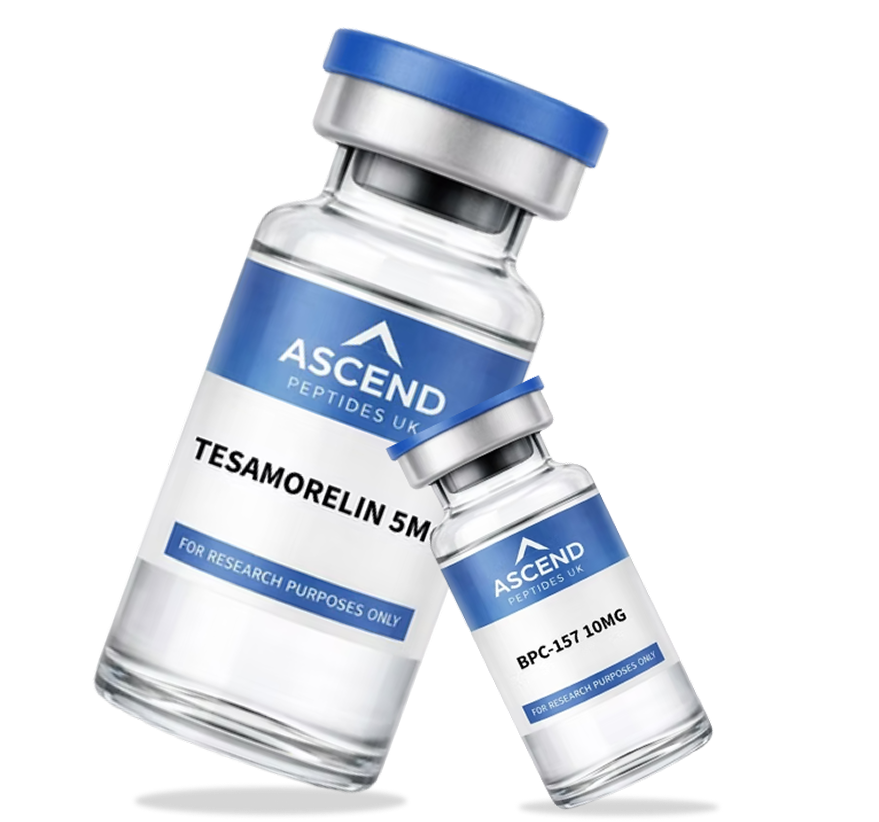

Peptide Supplier Checklist: 6 Signs of a Trustworthy UK Supplier

How to verify peptide quality begins with checking whether the supplier provides clear, batch-specific evidence for both purity and identity. This checklist is a quick-reference companion to our complete guide to choosing a UK peptide supplier, which covers the full 8-criteria evaluation framework. Researchers should review the certificate of analysis, confirm the testing laboratory, compare batch numbers and assess the supplier’s storage, packaging and research-use documentation. This six-step checklist explains the key checks to complete before sourcing peptides for laboratory research, and pairs well with that complete guide. Step 1: Demand a Certificate of Analysis (CoA) A genuine Certificate of Analysis is the single most important document a supplier can provide. A proper CoA should include: HPLC (High-Performance Liquid Chromatography) results, confirming purity percentage Mass spectrometry data, confirming the molecular identity of the peptide matches what’s on the label Batch or lot number, which should match the specific vial or product you receive Date of testing and the testing laboratory’s details Be cautious of suppliers who provide a single generic CoA for an entire product line rather than batch-specific documentation; this is a common shortcut among lower-quality vendors. Step 2: Check Purity Percentage and Understand What It Means Reputable suppliers typically report purity in the range of 98%+ as measured by HPLC. However, purity alone doesn’t tell the whole story: Purity tells you how much of the sample is the intended peptide versus impurities or degradation products. Identity confirmation (via mass spec) tells you whether that peptide is actually the compound it claims to be. A product can technically show high “purity” while still being the wrong peptide entirely if identity testing wasn’t performed. Always look for both data points together. Step 3: Verify Third-Party (Independent) Testing In-house testing is a good sign, but independent, third-party laboratory verification is the gold standard. When evaluating a supplier, ask: Is testing conducted by an accredited, independent laboratory not owned by the manufacturer? Can the supplier provide contact details or accreditation information for the testing lab? Are test results available on request for specific batch numbers, not just generic marketing claims? Suppliers confident in their product quality are typically happy to share this information transparently. Step 4: Examine Packaging, Storage, and Cold-Chain Handling Peptides are sensitive compounds that can degrade quickly when exposed to heat, light, or moisture. Quality indicators here include: Lyophilised (freeze-dried) form for storage and shipping stability Vacuum-sealed or properly sealed vials to prevent moisture ingress Cold-chain shipping (insulated packaging, ice packs where appropriate) for temperature-sensitive products Clear labelling including peptide name, quantity, batch number, and storage instructions Poor packaging is often a leading indicator of poor manufacturing practices further upstream. Step 5: Research the Supplier’s Manufacturing Standards Look beyond the product page and investigate how the peptide is actually made: Does the supplier disclose their manufacturing process or facility standards (e.g., GMP-aligned practices)? How long has the supplier been operating, and what is their reputation within the research community? Are reviews, testimonials, or community feedback available from other researchers? Does the company have transparent contact information, a registered business address, and responsive customer service? A supplier with nothing to hide will generally be forthcoming about these details when asked directly. Step 6: Confirm Compliance and Appropriate Labelling Finally, check that the supplier operates within UK regulatory expectations: Products should be clearly labelled “for research use only“ or equivalent, not marketed for human consumption, treatment, or diagnostic use. The supplier should not make medical claims about treating, curing, or preventing any condition. Terms of sale should reflect genuine research-use intent, including any required researcher acknowledgements. This isn’t just a legal checkbox; suppliers who are careful about compliance also tend to be more rigorous about quality control overall. The two often go hand in hand. Putting the Checklist Into Practice Step What to Check Red Flag 1 Batch-specific CoA Generic, undated, or missing CoA 2 Purity + identity data Purity claimed without mass spec confirmation 3 Independent lab testing Only in-house, unverifiable claims 4 Packaging & cold-chain Flimsy packaging, no temperature control 5 Manufacturing transparency Vague sourcing, no facility information 6 Compliance & labelling Medical claims, no research-use disclaimer Final Thoughts Verifying peptide quality takes a little extra diligence, but it’s essential for anyone relying on consistent, reproducible research material. A trustworthy supplier should welcome these questions, not deflect them transparency is one of the clearest signs of a quality-focused operation. At Ascend Peptides UK, research peptides covered by our batch-verification programme are supplied with batch-specific third-party testing, supporting documentation, and clear research-use labelling, so researchers can focus on their work with confidence in what they’re working with.
What Is BPC-157? Complete UK Research Peptide Guide

BPC-157 is a synthetic peptide composed of 15 amino acids and derived from a partial sequence of a compound studied in human gastric juice. It has mainly been investigated in preclinical laboratory models involving cellular signalling, angiogenesis, fibroblast activity and gastrointestinal biology. Human clinical evidence remains very limited. Important: BPC-157 is not licensed by the MHRA as a medicine for human use. Ascend Peptides UK supplies it strictly for in-vitro laboratory research only, not for human or veterinary use. This article is provided for general informational purposes and does not constitute medical advice. What Is BPC-157? BPC-157 is a synthetic peptide consisting of 15 amino acids, derived from a protective protein found naturally in human gastric juice (Body Protection Compound). It was first studied by researchers investigating gastrointestinal protection and tissue repair mechanisms. In preclinical (animal and in-vitro) studies, BPC-157 has been examined for its potential role in: Modulating angiogenesis (formation of new blood vessels) Influencing growth factor pathways linked to tissue repair Gut-related research models, including studies on the gut-brain axis Tendon, ligament, and muscle tissue studies in animal models It’s worth stressing that the vast majority of this research has been conducted in animal models or cell cultures. Human clinical trials are extremely limited, and BPC-157 has not been approved as a drug by the MHRA, FDA, or EMA. Legal Status of BPC-157 in the UK This is one of the most common questions researchers ask, and the answer requires some nuance: BPC-157 is not a controlled substance under the Misuse of Drugs Act 1971. It is, however, not licensed as a medicine by the MHRA, meaning it cannot legally be sold, marketed, or advertised for human consumption or therapeutic use. Reputable UK suppliers sell BPC-157 exclusively for laboratory and research purposes, typically requiring buyers to acknowledge it is not for human or veterinary use. Importing peptides from outside the UK can carry additional regulatory and customs considerations, which is one reason many researchers prefer UK-based suppliers with transparent compliance practices. If you are sourcing BPC-157 for any reason, the supplier’s terms of sale and research-use disclaimers are not just legal boilerplate — they reflect the genuine regulatory status of the compound. Why BPC-157 Has Generated So Much Interest Several factors explain why BPC-157 shows up so frequently in research peptide discussions: Breadth of preclinical findings. Unlike many peptides studied for a single narrow application, BPC-157 has appeared across a wide range of animal model studies — from gastrointestinal protection to musculoskeletal repair — which has fuelled broad interest from researchers in multiple fields. Stability profile. Some studies suggest BPC-157 demonstrates resistance to enzymatic degradation in the gut compared to many other peptides, making it an interesting subject for oral-route research models specifically. Anecdotal community interest. Online communities, particularly in fitness and biohacking spaces, have driven significant search interest — though it’s important to separate this anecdotal enthusiasm from validated scientific evidence, which remains in early stages. What the Research Actually Shows (and Doesn’t) A responsible guide to BPC-157 has to be clear about the limits of current evidence: Most studies are preclinical, conducted on rodent models or in vitro. Mechanisms proposed (e.g., effects on the VEGF pathway, nitric oxide system involvement) are based on early-stage research and are not fully understood. There is no large-scale, peer-reviewed human clinical trial data establishing safety or efficacy in people. Long-term safety data in humans does not currently exist. Researchers reviewing BPC-157 literature should treat it the way they would any early-stage compound: with scientific curiosity, but without assuming preclinical animal findings translate directly to humans. How BPC-157 Is Used in a Laboratory Research Context In legitimate research settings, BPC-157 is typically handled as a lyophilised (freeze-dried) powder that is: Stored at recommended temperatures to preserve peptide stability Reconstituted with bacteriostatic or sterile water following standard laboratory protocols Used strictly within controlled research environments, in line with institutional or laboratory safety guidelines Any specific protocol for reconstitution, storage, or experimental use should follow the certificate of analysis (CoA) and guidance provided by the supplier, alongside appropriate laboratory safety standards. How to Choose a BPC-157 Supplier in the UK If you’re sourcing BPC-157 for research purposes, due diligence matters. Look for: Third-party Certificates of Analysis (CoA) confirming purity and identity via HPLC and mass spectrometry. Clear research-use-only labelling and disclaimers — a sign the supplier is operating transparently within UK regulations. Proper cold-chain handling and packaging to preserve peptide integrity during shipping. UK-based stock to avoid customs delays and import complications. Transparent batch numbers that correspond to publicly available or on-request lab testing. Responsive, knowledgeable customer support that can answer technical questions about storage, handling, and documentation. For a deeper dive into supplier vetting, see our companion article on how to verify peptide quality with a 6-step checklist. Final Thoughts BPC-157 remains one of the most actively discussed peptides in the UK research space, with a genuinely interesting preclinical research profile. At the same time, it’s not an approved medicine, human clinical evidence is limited, and anyone working with it should do so strictly within a research context, sourcing only from suppliers who are transparent about quality, legality, and intended use. At Ascend Peptides UK, we supply BPC-157 and other peptides exclusively for laboratory and research purposes, with batch documentation and third-party testing available for research peptides covered by our batch-verification programme. Browse our research peptide range to learn more.
How to Mix Research Peptides UK: Step-by-Step Reconstitution Guide | Ascend Peptides UK
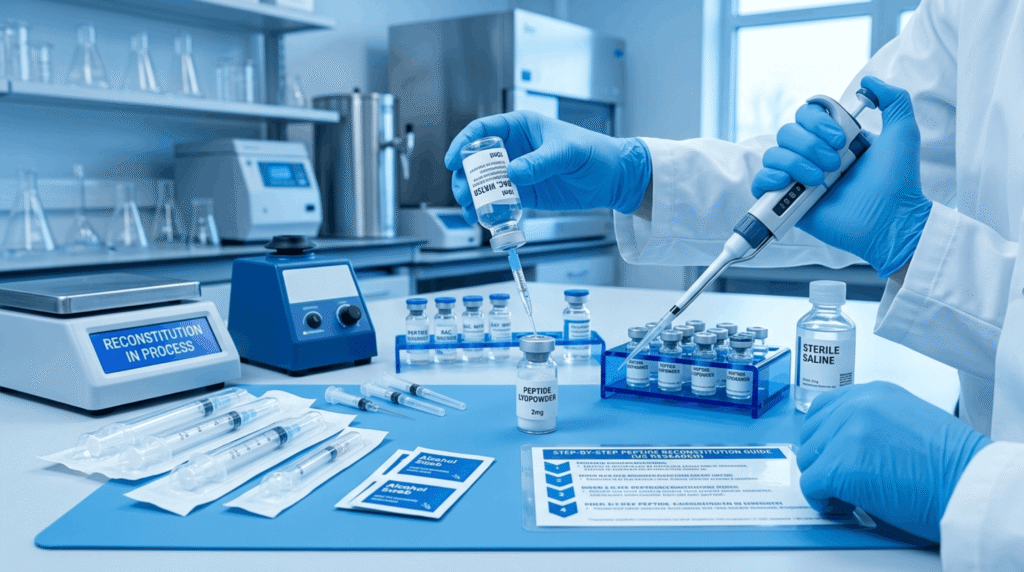
How to mix research peptides UK — step-by-step reconstitution guide. Which solvent to use, how much to add, correct technique, aliquoting, storage and the most common mistakes that destroy peptide integrity.
What Are Research Peptides UK? Complete Science Guide | Ascend Peptides UK
What are research peptides? Complete UK science guide — amino acid chains, synthetic analogues, laboratory applications, who uses them, UK regulatory status and how to source research-grade compounds. Research use only.
IGF-1 LR3 1mg: The Growth Factor Research Peptide Explained
⚠️ Research Use Only. IGF-1 LR3 1mg is supplied strictly for in-vitro laboratory research. It is not intended for human consumption, therapeutic, diagnostic, or clinical use. All information below reflects peer-reviewed preclinical and scientific literature only. This content is not medical advice. Ascend Peptides UK accepts no liability for misuse of this product If you have spent any time exploring the world of peptide research, you will have come across the name IGF-1 LR3. It is one of the most studied and widely referenced growth factor peptides in the scientific community, used in laboratories across the UK and internationally to investigate everything from cell proliferation to metabolic signalling. This guide is designed as an educational resource for laboratory scientists, biotechnologists, and research professionals utilizing IGF-1 LR3 in formal, controlled in vitro studies. It outlines the biochemical structure, laboratory applications, and handling protocols for this widely referenced growth factor. Everything discussed here relates strictly to research and scientific investigation. Ascend Peptides UK supplies IGF-1 LR3 1mg and other high-purity research peptides exclusively for laboratory use, not for personal or clinical application. What Is IGF-1 and Why Is It Important in Research? To understand IGF-1 LR3, you first need to understand its parent molecule: insulin-like Growth Factor 1 (IGF-1). IGF-1 is a naturally occurring polypeptide hormone made up of 70 amino acids. While it is structurally similar to insulin and produced systemically by the liver (triggered by pituitary growth hormone signals), it is also synthesized locally in muscle, bone, and brain tissue, acting in both an autocrine and paracrine manner. In biological systems, IGF-1 plays a central role in regulating cell growth, differentiation, and survival. From a research perspective, IGF-1 sits at the crossroads of several major scientific fields: oncology, metabolic research, and intracellular signaling. Its receptor, the IGF-1 receptor (IGF-1R), is one of the most studied receptor tyrosine kinases in biomedical science. The downstream signaling cascades it activates, particularly the PI3K/Akt and MAPK/ERK pathways, govern everything from normal tissue growth to cancer cell survival. What Makes IGF-1 LR3 Different from Standard IGF-1? IGF-1 LR3 (Insulin-like Growth Factor 1 Long Arg3) is a synthetic, modified analog of IGF-1 specifically designed to perform more consistently in laboratory research conditions. It differs from native IGF-1 in two key structural ways: An arginine substitution at position 3 of the peptide chain (the source of “Arg3”). The addition of a 13-amino acid extension at the N-terminus, extending the total chain length from 70 to 83 amino acids. These modifications drastically alter how the compound behaves in experimental environments: Extended Half-Life & IGFBP Evasion: Native IGF-1 has a very short active half-life of approximately 12–15 minutes because it is rapidly sequestered by IGF-binding proteins (IGFBPs). The structural changes in LR3 dramatically reduce its affinity for IGFBPs, resulting in an extended in vitro half-life of roughly 20 to 30 hours. Clearance Mechanisms: Standard IGF-1 is also cleared via interaction with the IGF-2R/Mannose-6-phosphate receptor (M6PR). IGF-1 LR3 demonstrates reduced binding to this clearance receptor, further sustaining its bioavailability in experimental models. Receptor Nuance: While highly selective for IGF-1R, researchers must note that IGF-1 LR3 retains a residual affinity for the insulin receptor (IR) and hybrid IR/IGF-1R receptors, which is a critical variable when designing metabolic studies. Receptor Downregulation: Because of its extended half-life and continuous receptor stimulation, researchers running longer-duration assays must account for dose-dependent receptor downregulation as an experimental variable. Who Uses IGF-1 LR3 in Research and For What Purpose? IGF-1 LR3 is utilized across a broad range of scientific disciplines. Here are the main research contexts in which this compound plays a role: Cell Culture and Tissue Biology Research The most common application of IGF-1 LR3 in laboratory settings is as a defined growth factor supplement in cell culture media. Researchers working with serum-free or reduced-serum formulations use it to support consistent cell proliferation and viability. Its extended in vitro activity makes it exceptionally well-suited to longer-duration culture experiments where sustained receptor stimulation is required. Cancer and Oncology Research The IGF-1 signaling axis is extensively studied in cancer biology. IGF-1R overexpression or dysregulation has been observed in multiple cancer cell line models and is associated with tumor progression, resistance to targeted therapy, and dysregulated cell survival in multiple solid tumor models. Oncology researchers use IGF-1 LR3 to reliably activate IGF-1R signaling in these models, enabling the investigation of receptor inhibition strategies and drug resistance mechanisms. Metabolic and Endocrine Research Given the structural overlap between IGF-1 and insulin, IGF-1 LR3 is used in research exploring insulin signaling and metabolic regulation at the cellular level. Its distinct binding profile makes it a useful tool for dissecting the signaling crosstalk between these related pathways. Private and Independent Laboratories Beyond formal academic and institutional settings, IGF-1 LR3 is also utilized by private research entities and independent biochemistry laboratories. Understanding how this peptide influences cellular growth signaling remains a vital area of study in advancing in vitro methodologies. Ascend Peptides UK welcomes inquiries from all legitimate research entities. How to Source IGF-1 LR3 1mg in the UK: Quality Indicators The quality of your research compound directly affects the reliability of your results. When sourcing an IGF-1 LR3 supplier, rigorous analytical standards are non-negotiable. Look for these key quality indicators: HPLC-Verified Purity: Purity should be confirmed via High-Performance Liquid Chromatography, ideally exceeding 98% for research-grade compounds. Mass Spectrometry (MS): Verifies that the peptide’s molecular weight and sequence precisely match the expected 83-amino acid structure. Endotoxin Testing (LAL Test): Crucial for cell culture applications. The compound must be tested via the Limulus Amebocyte Lysate (LAL) assay to ensure endotoxin levels are low enough that they will not trigger immune responses or compromise cell viability. Lyophilised Format: Freeze-dried peptides maintain stability far better than liquid formats during storage and transit. Batch Traceability: Essential for referencing specific production lots in published research and ensuring consistency across longitudinal experiments. At Ascend Peptides UK, our IGF-1 LR3 1mg meets all of these stringent standards. Whether you represent an academic institution, a biomanufacturing facility, or a private analytical
CJC-1295 Without DAC: The Growth Hormone Research Peptide Explained
⚠️ Research Use Only. CJC-1295 Without DAC is supplied strictly for in-vitro laboratory research. It is not intended for human consumption, therapeutic, diagnostic, or clinical use. All information below reflects peer-reviewed preclinical and scientific literature only. This content is not medical advice. Ascend Peptides UK accepts no liability for misuse of this product If you work in peptide research or follow the science of growth hormone signalling, CJC-1295 without DAC is a name you will encounter frequently. It is one of the most studied growth hormone-releasing hormone (GHRH) analogues in the scientific community and for good reason. Its carefully engineered structure gives it distinct advantages over native GHRH in laboratory settings, making it a reliable and versatile tool for controlled research. This guide is provided by Ascend Peptides UK for laboratory scientists and research professionals. It offers a detailed biochemical overview of this compound, its pharmacological profile, and its applications in the study of the somatotropic axis. All information here relates strictly to scientific investigation. Ascend Peptides UK supplies this and other high-purity research peptides exclusively for laboratory use, not for human consumption, clinical application, or therapeutic purposes. Key Takeaways Scientific Identity: CJC-1295 Without DAC (frequently referred to as Modified GRF 1-29) is a synthetic, 29-amino-acid analogue of naturally occurring Growth Hormone-Releasing Hormone (GHRH). Structural Advantage: The peptide features four strategic amino acid substitutions that provide robust resistance to enzymatic breakdown by DPP-IV, significantly extending its stability in laboratory models compared to native GHRH. Release Profile: Unlike the DAC-bound variant, CJC-1295 Without DAC stimulates a time-limited, pulsatile release of growth hormone, making it the preferred reagent for studying natural, episodic secretion dynamics. Research Applications: It is heavily utilised in in vitro and animal model studies focusing on the hypothalamic-pituitary-somatotropic axis, IGF-1 pathways, and GHRH receptor binding kinetics. Handling and Storage: For optimal integrity, the lyophilised powder must be reconstituted with appropriate sterile solvents (such as bacteriostatic water) and stored in single-use aliquots at -20°C to avoid damaging freeze-thaw cycles. Strict Regulatory Status: This compound is an experimental research chemical. It is not FDA or MHRA approved and is strictly prohibited for human consumption, therapeutic application, or clinical use. Understanding Growth Hormone-Releasing Hormone — The Scientific Foundation To appreciate the significance of this compound, it helps to first understand the molecule it is designed to mimic: Growth Hormone Releasing Hormone, or GHRH. GHRH is a naturally occurring peptide hormone produced in the hypothalamus. Its primary role is to stimulate the anterior pituitary gland to synthesise and secrete growth hormone (GH). This process forms part of the hypothalamic-pituitary-somatotropic axis, one of the most studied regulatory systems in endocrine biology. Growth hormone itself has wide-ranging downstream effects across biological systems, influencing cell growth, metabolism, body composition, and the production of Insulin-like Growth Factor 1 (IGF-1) in the liver. Understanding how GHRH drives GH secretion and how this process can be reliably modelled in research settings is the scientific foundation on which this research peptide category is built. Native GHRH has a significant limitation as a laboratory tool: it is rapidly degraded by a serum enzyme called dipeptidyl aminopeptidase IV (DPP-IV), giving it a very short half-life in biological environments. This makes sustained research into its effects difficult. That is precisely the problem that synthetic GHRH analogues were developed to address. What Is CJC-1295 Without DAC? CJC-1295 Without DAC, also referred to as Modified GRF(1-29) or Mod GRF 1-29 is a synthetic analogue of the first 29 amino acids of GHRH, which is the biologically active portion of the molecule. The ‘Without DAC’ designation is important: it distinguishes this compound from its related counterpart, CJC-1295 With DAC, which uses a different modification to extend its half-life. The modifications incorporated into this peptide are four strategic amino acid substitutions at specific positions in the chain. These substitutions achieve two research-relevant goals: Increased resistance to DPP-IV degradation, the primary enzyme responsible for breaking down native GHRH in biological environments Improved receptor binding stability, enhancing the compound’s potency and consistency in controlled laboratory assay conditions The result is a growth hormone research peptide that retains the functional characteristics of native GHRH whilst offering significantly improved in vitro stability — making it a far more practical tool for systematic laboratory investigation of the GHRH-GH signalling axis. CJC-1295 Without DAC vs CJC-1295 With DAC: Understanding the Difference This is one of the most common questions in this research area, and understanding the distinction is essential when selecting the right compound for a given experimental design. The key difference lies in the presence or absence of a Drug Affinity Complex (DAC), a modification that enables the peptide to bind covalently to albumin in the bloodstream, dramatically extending its half-life. CJC-1295 without DAC produces a pulsatile pattern of GH stimulation in research models. Each administration generates a defined, time-limited pulse of GH receptor activation closely reflecting the natural episodic GH release seen in biological systems. This makes it particularly suited to research examining pulsatile GH secretion dynamics. CJC-1295 with DAC binds to albumin via the DAC technology, producing sustained, continuous GH pathway activation over an extended period. This is preferred for studies requiring prolonged GH stimulation rather than pulsatile release. For researchers studying natural GH physiology and pulsatile secretion, the Without DAC variant is generally the more appropriate research compound. Both are available from Ascend Peptides UK, and selecting between them depends entirely on the experimental design and research objectives. Research Applications in Laboratory Settings This peptide has been the subject of a substantial body of published research. The following summarises the primary laboratory contexts in which it is applied: 1. Growth Hormone Axis Research The most direct application is the investigation of the GHRH-GH signalling axis itself. Researchers studying hypothalamic-pituitary function and GH secretion dynamics use this compound to reliably stimulate GHRH receptor activity in controlled experimental models, enabling systematic investigation of the somatotropic axis. 2. IGF-1 Pathway Studies Growth hormone stimulates the liver to produce IGF-1, making GHRH analogue research indirectly relevant to IGF-1 pathway investigation as well.
GHK-CU 50mg Research Peptide: A Complete Laboratory Guide
⚠️ Research Use Only. GHK-CU 50mg is supplied strictly for in-vitro laboratory research. It is not intended for human consumption, therapeutic, diagnostic, or clinical use. All information below reflects peer-reviewed preclinical and scientific literature only. This content is not medical advice. Ascend Peptides UK accepts no liability for misuse of this product GHK-CU is one of the most scientifically studied copper-binding peptides in the field of biochemical research. First isolated from human plasma in the early 1970s, this naturally occurring tripeptide-copper complex has since been the subject of an extensive body of published laboratory research spanning skin biology, wound-healing models, anti-inflammatory signalling, and gene-expression studies. This guide is written for two audiences. For laboratory scientists and research professionals, it provides a thorough scientific overview of this compound — its structure, mechanism of action, and applications in controlled research settings. For scientifically engaged individuals (qualified researchers, laboratory professionals, and academic or institutional research settings) who follow developments in peptide biochemistry and skin research science, it offers an accessible explanation of why this copper peptide complex has attracted such sustained scientific attention. Ascend Peptides UK supplies GHK-CU 50mg as a high-purity research peptide for laboratory investigation only. All content in this guide is provided strictly for scientific and educational purposes. This compound is not intended for human consumption, clinical use, or therapeutic application of any kind. What Is GHK-CU? Structure, Origin, and Unique Properties GHK-CU is a naturally occurring tripeptide-copper complex found in human plasma, saliva, and urine. The peptide component GHK consists of three amino acids: glycine (Gly), histidine (His), and lysine (Lys). The CU suffix denotes its association with a copper (II) ion, which the peptide binds with high affinity through the imidazole group of histidine and the amino-terminal amine. This copper-binding characteristic is central to the compound’s biochemical identity. Copper is an essential trace mineral involved in a wide range of enzymatic processes in biological systems, including collagen synthesis, superoxide dismutase activity, and angiogenesis. The ability of the GHK tripeptide to chelate and transport copper ions in laboratory models has made it a subject of considerable research interest in fields ranging from dermatology research to wound biology and gene regulation studies. What sets this compound apart from many other research peptides is its notably broad influence on cellular behaviour in laboratory models. Published research has documented interactions with over 4,000 human genes, a finding that has positioned this tripeptide as one of the most far-reaching small peptide sequences studied in modern biochemical research. It is this breadth of documented laboratory activity that makes it particularly relevant across multiple research disciplines. Mechanism of Action: How GHK-CU Behaves in Laboratory Models GHK-CU interacts with biological systems through several interconnected mechanisms, many of which have been documented across a substantial body of peer-reviewed research. Understanding these mechanisms is important for researchers designing experiments that incorporate this copper peptide complex as a research tool. Key mechanisms identified in published laboratory research include: Copper chaperone activity: This compound acts as a copper transport molecule in research models, delivering Cu(II) ions to copper-dependent enzymes, including lysyl oxidase (involved in collagen and elastin crosslinking) and superoxide dismutase (a key antioxidant enzyme). This copper delivery function is central to many of the biological activities observed in laboratory settings. Collagen and extracellular matrix regulation: Multiple in vitro studies have documented the influence of this peptide on fibroblast gene expression, collagen synthesis, and extracellular matrix remodelling. This has made it a widely used research tool in skin biology and connective tissue research. Antioxidant and anti-inflammatory signalling: Published research has shown interactions with antioxidant defence systems and inflammatory signalling pathways in laboratory models, including modulation of pro-inflammatory cytokine activity and upregulation of antioxidant enzyme expression. Angiogenesis research: Studies have documented the ability of this compound to stimulate angiogenic signalling in laboratory models, particularly through interactions with VEGF and FGF pathway components, making it relevant to wound biology and vascular research. Gene expression modulation: Genome-wide studies have identified interactions with thousands of human genes, including those involved in tissue remodelling, inflammation regulation, stem cell biology, and metabolic processes, highlighting the compound’s unusually broad influence in laboratory research contexts. These mechanisms have been studied predominantly in in vitro cell culture models and animal research models. This compound is supplied strictly for research purposes, and none of this research constitutes clinical evidence of efficacy in human subjects. Research Applications of GHK-CU 50mg in Laboratory Settings The breadth of published research on this compound reflects its versatility as a laboratory research tool. Here are the primary disciplines in which it has been applied in controlled scientific settings: 1. Skin Biology and Dermatological Research Skin biology is the most extensively published research area for this copper peptide complex. In vitro studies have examined its interactions with keratinocytes, fibroblasts, and melanocytes, the three primary cell types of the skin. Research in this field has focused on fibroblast proliferation and collagen gene expression, extracellular matrix dynamics, basement membrane integrity, and cellular responses to oxidative stress. For researchers investigating skin biology at the cellular and molecular level, this compound is one of the most well-characterised tools available among Ascend Peptides UK’s skin and cellular research peptides. 2. Wound Healing Biology Research The compound’s documented interactions with fibroblast activity, angiogenic signalling, and extracellular matrix remodelling have made it a research tool of significant interest in wound healing biology. Laboratory studies have examined how this peptide influences fibroblast migration, collagen deposition patterns, and vascular endothelial cell behaviour in wound model systems. This research area has attracted sustained scientific attention and continues to generate active laboratory investigation. 3. Anti-Inflammatory and Antioxidant Research Published laboratory research has documented this compound’s interactions with inflammatory cytokine signalling, including modulation of TNF-alpha, IL-6, and other pro-inflammatory mediators in cell culture models. Its upregulation of antioxidant enzyme expression, including superoxide dismutase and catalase, has also been a subject of research interest. These properties have positioned it as a valuable tool in studies examining oxidative stress responses and inflammation-related signalling at the cellular level. 4.
Tesamorelin 10mg Research Peptide: A Complete Laboratory Guide
⚠️ Research Use Only. Tesamorelin 10mg is supplied strictly for in-vitro laboratory research. It is not intended for human consumption, therapeutic, diagnostic, or clinical use. All information below reflects peer-reviewed preclinical and scientific literature only. This content is not medical advice. Ascend Peptides UK accepts no liability for misuse of this product Tesamorelin is a synthetic analogue of Growth Hormone Releasing Hormone (GHRH) that has attracted significant scientific interest within the peptide research community. Unlike many GHRH analogues, which are based on shortened sequences of the endogenous hormone, this compound is a full-length GHRH analogue modified with a specific trans-3-hexenoic acid group at its N-terminus to improve stability and resistance to enzymatic degradation. This guide is designed for both laboratory scientists and research professionals seeking a thorough scientific overview of this compound, and for scientifically curious individuals (laboratory researchers, academic investigators, and scientific professionals) who want to understand what makes it unique among GHRH research peptides. Whether you are sourcing for an established research programme or exploring this compound for the first time, this guide covers everything you need to know. All information here is provided strictly for scientific and educational purposes. Ascend Peptides UK supplies this and other research compounds for laboratory investigation only, not for human consumption, clinical application, or therapeutic use of any kind. What Is Tesamorelin? Structure and Scientific Background Tesamorelin is a stabilised synthetic analogue of endogenous GHRH. Unlike shorter GHRH analogues such as Sermorelin (which replicates only the first 29 amino acids of GHRH) or Modified GRF 1-29, this compound replicates the full 44-amino acid sequence of native GHRH with a single but significant structural modification: the addition of a trans-3-hexenoic acid group covalently bonded to the N-terminal tyrosine residue. This modification is the defining structural feature of the compound and the source of its research significance. The trans-3-hexenoic acid group substantially increases resistance to DPP-IV (dipeptidyl aminopeptidase IV) enzymatic degradation — the primary enzyme responsible for the rapid breakdown of native GHRH in biological environments. As a result, this GHRH analogue maintains its receptor binding activity for considerably longer in research conditions than unmodified GHRH. The full 44-amino acid sequence also distinguishes this compound from shorter GHRH research peptides. Because it retains the complete GHRH sequence, it interacts with the GHRH receptor (GHRHR) in a manner that more closely reflects the endogenous ligand, making it a valuable tool for research requiring greater physiological relevance than truncated GHRH analogues can provide. Tesamorelin vs Other GHRH Research Peptides: Key Differences Understanding how tesamorelin compares to other GHRH analogues helps researchers select the most appropriate compound for their specific experimental design. Here is how this compound sits within the broader GHRH research peptide landscape: CJC-1295 Without DAC (Modified GRF 1-29) is based on the first 29 amino acids of GHRH with four stabilising amino acid substitutions. It produces pulsatile GH stimulation in research models and has a shorter sequence than this compound. For a detailed overview of that peptide, see our CJC-1295 Without DAC research guide. Tesamorelin, by contrast, uses the full 44-amino acid GHRH sequence with N-terminal modification, offering a different structural profile for researchers requiring full-length GHRH receptor engagement. Sermorelin is the unmodified GHRH(1-29) sequence, retaining structural closeness to native GHRH but with greater susceptibility to DPP-IV degradation. This compound’s N-terminal modification addresses this limitation whilst also preserving the complete GHRH receptor interaction surface. Downstream of the GHRH-GH axis, growth hormone stimulates hepatic IGF-1 production. Researchers studying the full length of this signalling cascade from GHRH receptor activation through to IGF-1 pathway effects may combine GHRH analogue research with IGF-1 receptor studies. Our IGF-1 LR3 1mg research guide provides a detailed overview of how IGF-1 LR3 functions as a research tool for investigating the downstream growth factor signalling pathway. Mechanism of Action in Laboratory Research Models Tesamorelin acts as a selective GHRH receptor (GHRHR) agonist in laboratory research models. When the compound binds to GHRHR on anterior pituitary somatotroph cells, it activates the following downstream signalling cascade: G-protein coupled receptor (GPCR) activation: GHRHR is a Gs-coupled receptor. Upon ligand binding, the activated Gs protein stimulates adenylyl cyclase, increasing intracellular cyclic AMP (cAMP) levels. Protein kinase A (PKA) activation: Elevated cAMP activates PKA, which phosphorylates downstream transcription factors involved in GH gene expression. Growth hormone synthesis and secretion: PKA activation leads to increased GH mRNA transcription and pulsatile GH secretion from pituitary somatotroph cells. Downstream IGF-1 production: GH released following GHRHR activation stimulates hepatic IGF-1 synthesis, a key downstream mediator studied extensively in growth factor research. Because this compound uses the full 44-amino acid GHRH sequence, it engages the GHRHR binding interface more completely than shorter analogues, an important consideration for researchers studying receptor structure-function relationships or designing experiments that require maximal receptor engagement. Research Applications of Tesamorelin 10mg in Laboratory Settings 1. Growth Hormone Axis Research The primary laboratory application of this GHRH analogue is the investigation of the hypothalamic-pituitary-somatotropic axis. Researchers studying GH secretion dynamics, pituitary somatotroph cell biology, and GHRH receptor signalling use this compound to stimulate controlled, reproducible GH pathway activation in experimental models. Its full-length GHRH sequence makes it particularly suited to studies requiring complete GHRH engagement. 2. Metabolic Pathway Research Tesamorelin has been studied in the context of metabolic biology research, particularly in relation to the role of the GH-IGF-1 axis in lipid metabolism and adipose tissue regulation at the cellular level. Laboratory studies have used this compound to examine how GHRH receptor activation influences downstream metabolic signalling pathways in research models. This makes it relevant to researchers working in metabolic biology, adipocyte research, and GH-related metabolic pathway investigation. 3. GHRH Receptor Biology Research Because of its full-length GHRH sequence and N-terminal stabilisation, this compound is particularly valuable for research examining GHRH receptor structure, binding kinetics, and receptor activation mechanisms. Studies investigating the molecular basis of GHRHR ligand recognition, conformational changes upon receptor binding, and downstream signal transduction have used this compound as a research tool due to its complete receptor engagement profile. 4. Comparative GHRH Analogue Studies
AOD-9604 5mg Research Peptide: A Complete Laboratory Guide
⚠️ Research Use Only. AOD-9604 5mg is supplied strictly for in-vitro laboratory research. It is not intended for human consumption, therapeutic, diagnostic, or clinical use. All information below reflects peer-reviewed preclinical and scientific literature only. This content is not medical advice. Ascend Peptides UK accepts no liability for misuse of this product AOD-9604 is a research peptide that has attracted significant scientific interest across the metabolic biology and adipose tissue research communities. Derived from a specific fragment of human Growth Hormone, it presents a focused tool for laboratory investigations into lipid metabolism, adipocyte biology, and cellular energy regulation without the full growth-promoting activity of the complete GH molecule. This guide is written for both laboratory scientists and research professionals who need a thorough scientific reference, and for scientifically curious individuals who want to understand the biochemistry behind this compound and why it continues to generate active research interest. Every section is grounded in published scientific research and framed in the context of controlled laboratory investigation. Ascend Peptides UK supplies AOD-9604 5mg as a high-purity research peptide for laboratory investigation only. All content in this guide is provided strictly for scientific and educational purposes. This compound is not intended for human consumption, clinical application, or therapeutic use under any circumstances. The Scientific Foundation: Human Growth Hormone and the GH C-Terminal Fragment To understand AOD-9604 and its significance as a research compound, it is essential to first understand its origin: the human Growth Hormone molecule and the biological significance of its C-terminal region. Human Growth Hormone (hGH) is a 191-amino acid peptide hormone produced and secreted by somatotroph cells of the anterior pituitary gland. It is one of the most pleiotropic hormones in human biology, regulating a wide range of physiological processes, including cell growth and proliferation, protein synthesis, carbohydrate and lipid metabolism, and body composition. The biological actions of GH are mediated through multiple mechanisms. Its anabolic and growth-promoting effects are largely indirect, primarily via stimulation of hepatic IGF-1 production, whilst its direct metabolic effects, particularly those related to lipid metabolism and adipose tissue regulation, are believed to be mediated by specific domains within the GH molecule itself. Early research into the structure-function relationships of the GH molecule identified the C-terminal region, specifically residues 176–191 as a domain with particular relevance to metabolic activity in laboratory models. This region was found to exhibit lipolytic properties in adipose tissue research without the insulin-antagonistic and growth-promoting effects associated with the full GH molecule. This discovery formed the scientific basis for the development of AOD-9604 as a focused research tool for metabolic biology investigation. What Is AOD-9604? Structure, Derivation, and Research Rationale AOD-9604 is a synthetic peptide consisting of residues 176–191 of the human Growth Hormone sequence, with the addition of a tyrosine (Tyr) residue at the N-terminus. The ‘AOD’ designation stands for ‘Anti-Obesity Drug’, reflecting the original research focus of the compound’s development. The number 9604 is a laboratory identifier assigned during its development at Monash University in Australia. The complete sequence of this research compound is: Tyr-Leu-Arg-Ile-Val-Gln-Cys-Arg-Ser-Val-Glu-Gly-Ser-Cys-Gly-Phe, with a disulphide bond between the two cysteine residues (Cys-7 and Cys-15) that contributes significantly to the structural stability of the peptide loop conformation. The addition of the N-terminal tyrosine residue was incorporated to facilitate radiolabelling for pharmacokinetic research studies, and has since become a standard part of the compound’s structure as used in laboratory research. The disulphide bond between the two cysteine residues creates a constrained loop structure that is believed to be important for the compound’s specific receptor interactions in metabolic research models. AOD-9604 vs Full-Length Growth Hormone: Why the Fragment Matters Understanding the distinction between AOD-9604 and full-length human Growth Hormone is fundamental to appreciating its value as a focused research tool. The key differences that make this fragment scientifically interesting are: Absence of IGF-1 stimulation: Unlike full-length GH, this compound does not appear to stimulate hepatic IGF-1 production in laboratory models, an important distinction for researchers wishing to study metabolic GH-related pathways without the confounding variable of IGF-1 pathway activation. For comparison, our IGF-1 LR3 research provides insight into how IGF-1 signalling is studied as a separate downstream variable. Selective metabolic activity: Research has documented that the C-terminal GH fragment exhibits activity in lipid metabolism pathways in laboratory models, particularly in relation to adipocyte biology and lipolytic enzyme activity, without the full growth-promoting and insulin-antagonistic effects of the complete GH molecule. Receptor specificity: The fragment may interact with a distinct receptor or signalling pathway from the primary GH receptor (GHR), which is the subject of ongoing research investigation. This receptor selectivity is a key area of scientific interest in the literature. Structural focus: As a 16-amino acid peptide, this research compound is significantly smaller and more structurally defined than the 191-amino acid full GH molecule, making it a more tractable research tool for studying specific receptor-ligand interactions and downstream signalling mechanisms in controlled laboratory settings. Mechanism of Action in Laboratory Research Models The precise mechanism by which AOD-9604 exerts its effects in laboratory research models is an area of active scientific investigation. Published research has proposed and examined several potential mechanisms: Beta-3 Adrenergic Receptor Interactions A substantial body of published research has examined interactions between this GH fragment and beta-3 adrenergic receptors (β3-AR) in adipose tissue research models. The β3-AR is expressed predominantly in adipose tissue and plays an important role in regulating lipolysis the breakdown of stored triglycerides into free fatty acids and glycerol. Laboratory studies examining this interaction have documented that the compound can stimulate lipolytic activity in adipocyte models through β3-AR-dependent pathways. Lipid Metabolism Enzyme Activity Research has documented interactions with lipid metabolism enzymes in adipose tissue laboratory models, particularly hormone-sensitive lipase (HSL) and lipoprotein lipase (LPL). These enzymes play central roles in triglyceride hydrolysis and fatty acid metabolism. Studies examining how this compound influences these enzymatic activities in controlled laboratory conditions have contributed to the understanding of the GH C-terminal fragment’s role in adipose tissue biology. Adipogenesis Research Several published laboratory studies have examined the influence
TB-500 10mg Research Peptide: A Complete Laboratory Guide
⚠️ Research Use Only. TB-500 10mg is supplied strictly for in-vitro laboratory research. It is not intended for human consumption, therapeutic, diagnostic, or clinical use. All information below reflects peer-reviewed preclinical and scientific literature only. This content is not medical advice. Ascend Peptides UK accepts no liability for misuse of this product TB-500 10mg is a synthetic research peptide derived from Thymosin Beta-4 (Tβ4), a naturally occurring protein involved in cellular structure, actin regulation, and intracellular organisation. Within controlled laboratory environments, this compound has become an important subject of investigation due to its interaction with cytoskeletal dynamics, cellular migration pathways, and structural signalling mechanisms. For laboratories, research institutions, and scientifically engaged buyers laboratory researchers, academic institutions, and scientific professionals) In the United Kingdom, TB-500 10mg provides a practical and scalable format for structured experimental work. Its targeted design allows researchers to isolate specific biological processes in experimental models to explore specific biological processes related to cytoskeletal dynamics, making it a valuable tool in both foundational and advanced peptide research programmes. This guide explores TB-500 10mg in detail, covering its molecular structure, mechanism of action, laboratory applications, and sourcing considerations while maintaining strict compliance with UK research standards. Scientific Background: The Role of Thymosin Beta-4 To understand the relevance of TB-500, it is essential to begin with its biological foundation, Thymosin Beta-4 (Tβ4). This naturally occurring peptide is widely distributed across human tissues and is known for its role in regulating actin, a protein that forms the structural framework of cells. Actin is responsible for maintaining cell shape, enabling movement, and supporting intracellular transport. It exists in two forms: G-actin (globular form) F-actin (filamentous form) The transition between these forms is a dynamic process that determines how cells behave under different conditions. Thymosin Beta-4 regulates this process by binding to actin monomers and controlling their availability for polymerisation. TB-500 is a synthetic peptide designed to replicate functional aspects of Thymosin Beta-4 Tβ4 (parent molecule), a naturally occurring actin-binding protein, allowing researchers to focus specifically on the region responsible for actin interaction. This targeted approach simplifies experimental models and improves consistency across studies. Structural Identity and Functional Properties TB-500 is a short-chain peptide engineered to replicate the biologically active region of Thymosin Beta-4. Its structure is intentionally simplified, making it easier to handle and integrate into laboratory experiments. Unlike full-length proteins, which may introduce additional variables, TB-500 provides a more controlled way to study actin-related processes. It is typically supplied as a lyophilised (freeze-dried) powder, which helps maintain stability during storage and transport. Core structural advantages: Focused amino acid sequence targeting actin interaction High solubility in standard laboratory solvents Stability in lyophilised form Compatibility with multiple experimental models Scalable 10mg format for extended research use These properties make TB-500 particularly suitable for reproducible and controlled research environments. TB-500 in the Broader Peptide Landscape In peptide research, each compound is typically associated with a specific biological pathway. TB-500 stands out because it operates at the intracellular structural level, rather than through receptor-mediated signalling. For example, peptides discussed in the Without DAC research guide are primarily involved in growth hormone signalling pathways. These compounds interact with receptors and influence endocrine responses in laboratory models. Similarly, compounds covered in the research peptide guide operate within growth factor pathways, focusing on receptor activation and downstream signalling cascades. TB-500 differs by working directly within the cell, influencing structural proteins such as actin. Because of this, it is often used in combination with other peptides to explore how structural and signalling systems interact. Key distinctions: TB-500 → Cytoskeletal and structural focus GHRH analogues → Hormone signalling pathways Growth factors → Receptor-driven pathways This positioning makes TB-500 a complementary tool in multi-pathway research programmes. Research Use Only: TB-500 is a research-use compound. Research is ongoing, and no medical, therapeutic, or performance claims are intended. This is a schematic illustration only and not proof of mechanism, safety, or clinical use. Mechanism of Action: A Closer Look The mechanism of TB-500 is centred on its interaction with actin and its ability to influence cytoskeletal organisation. This process plays a fundamental role in determining how cells behave in controlled laboratory models. Step-by-step mechanism: 1. Actin BindingTB-500 binds to G-actin monomers within the cell, influencing their availability for polymerisation. 2. Regulation of PolymerisationBy controlling the transition from G-actin to F-actin, the peptide affects how structural filaments are formed. 3. Cytoskeletal ReorganisationChanges in actin dynamics lead to alterations in Cell migration, inflammation modulation, and cytoskeletal repair. 4. Cellular Movement DynamicsBecause actin is essential for movement, these structural changes influence how cells migrate and reposition. 5. Interaction with Signalling PathwaysResearch suggests that TB-500 may interact with pathways related to endothelial behaviour and cellular communication. Research Applications of TB-500 10mg TB-500 10mg has been explored across multiple areas of laboratory research due to its targeted mechanism and versatility. Primary research applications: Cytoskeletal studiesResearchers use TB-500 to examine how actin filaments form and reorganise under different conditions. Cellular migration modelsIt is widely used in experiments analysing how cells move and respond to environmental changes. Angiogenic pathway researchTB-500 is included in studies focused on endothelial cell behaviour and vascular signalling mechanisms. Multi-peptide interaction studiesIn advanced research programmes, TB-500 is combined with other peptides to explore pathway interactions. Gene expression analysisSome studies investigate how TB-500 influences transcription pathways related to structural proteins. These applications demonstrate the compound’s relevance across a broad range of research disciplines. Why the 10mg Format Matters The 10mg format of TB-500 is widely used because it provides both flexibility and consistency in laboratory settings. Researchers conducting multi-phase experiments require sufficient material to maintain uniform conditions across trials. Benefits of the 10mg format: Supports extended research protocols Enables comparative and multi-variable studies Reduces variability between batches Aligns with commonly used research quantities Improves efficiency in long-term projects For laboratories in the UK, sourcing TB-500 10mg from a reliable supplier such as Ascend Peptides UK helps ensure consistency and quality across experiments. Sourcing TB-500 10mg in the United Kingdom Sourcing high-quality research peptides is essential for