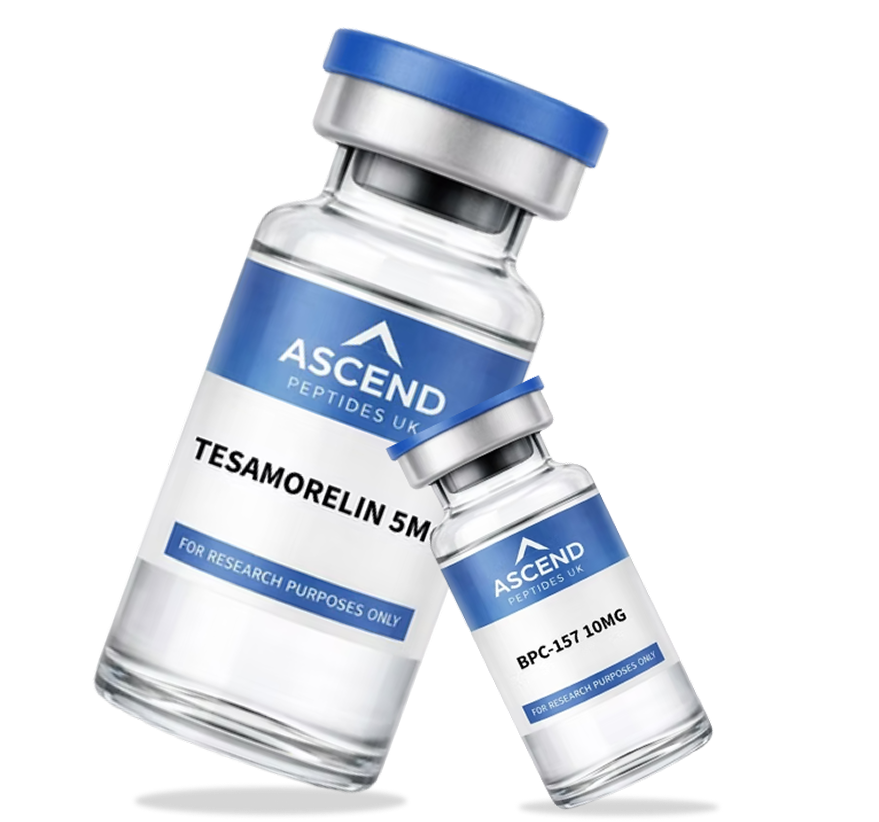

📥 FREE DOWNLOAD
For research professionals only — instant download, no payment required
BPC-157 UK Buying Guide: How to Verify Supplier Quality
What is BPC-157? BPC-157, also known as Body Protection Compound 157, is a synthetic 15-amino acid pentadecapeptide derived from a partial sequence of the human gastric protective protein. It is one of the most extensively studied research peptides published in in-vitro cellular and tissue research literature, with published preclinical and in-vitro research covering angiogenesis pathways, fibroblast biology, growth factor interactions, and gastrointestinal cellular research models.
This guide sets out exactly what BPC-157 is at the structural and mechanistic level, what it has been investigated for in published laboratory research and how to source BPC-157 in the UK with full documentation transparency.
BPC-157 is supplied for in-vitro laboratory research only. It is not a licensed medicinal product under the UK Human Medicines Regulations 2012, and no dosing or administration guidelines are provided in this guide or in any Ascend Peptides UK documentation.
The compound is supplied to qualified research professionals (laboratories, academic institutions, research scientists) for cellular and tissue research model applications. Every batch of BPC-157 supplied by Ascend Peptides UK is HPLC verified at ≥98% purity by Janoshik laboratory, LC-MS confirmed for molecular identity, and accompanied by a publicly verifiable Certificate of Analysis.
📥 FREE DOWNLOAD
For research professionals only — instant download, no payment required
What Is BPC-157 at the Molecular Level?
BPC-157 is a synthetic 15-amino acid peptide (a pentadecapeptide) corresponding to a partial sequence of the human gastric protective protein.
The compound is supplied to laboratories as a lyophilised (freeze-dried) white powder for reconstitution before in vitro research use. The molecular structure and basic chemistry of BPC-157 are documented below.
|
Molecular Property |
Value |
|---|---|
|
Compound name |
BPC-157 (Body Protection Compound 157) |
|
Peptide class |
Pentadecapeptide (15 amino acid sequence) |
|
Amino acid sequence |
Gly Glu Pro Pro Pro Gly Lys Pro Ala Asp Asp Ala Gly Leu Val |
|
Molecular formula |
C62H98N16O22 |
|
Molecular weight |
≈ 1419.55 Da |
|
Source structure |
Partial sequence of human gastric protective protein |
|
Supplied format |
Lyophilised white powder for reconstitution |
|
Storage |
−20°C lyophilised, 2 to 8°C reconstituted |
Three structural properties define BPC-157 in the research peptide category. First, it is a pentadecapeptide, meaning it contains exactly 15 amino acids, which places it in the medium-length peptide range (longer than tripeptides like GHK-Cu, shorter than full protein fragments like AOD-9604). Second, it is derived from a partial sequence of the human gastric protective protein, which is the origin of the “Body Protection Compound” name. Third, the sequence is generally considered relatively stable under standard laboratory storage conditions when supplied as a lyophilised powder when supplied as a lyophilised powder, which makes it suitable for extended in-vitro research programmes.
The full molecular identity of BPC-157 is confirmed on every Ascend Peptides UK batch by independent LC-MS analysis through Janoshik laboratory. The measured molecular weight is matched against the theoretical molecular weight (≈ 1419.55 Da) to confirm structural identity. The complete laboratory quality control workflow is documented on the how we test peptides page.
How Does BPC-157 Work in Cellular Research Models?
In published in-vitro research literature, BPC-157 has been investigated across several distinct cellular research pathways.
The compound acts through pentadecapeptide signalling pathways that are mechanistically separate from the actin sequestration pathway of TB-500 (Thymosin Beta 4 fragment) and from the copper-dependent pathway of GHK-Cu. This mechanistic distinction is one reason these compounds are sometimes studied together in multi-compound laboratory research designs (each acts on a different pathway, so each provides an independent variable for the research design).
Documented Research Pathways for BPC-157
-
Angiogenic factor expression research, particularly in endothelial cell line models examining vascular endothelial growth factor and related angiogenic markers.
-
Fibroblast biology research, examining fibroblast migration, fibroblast proliferation kinetics, and collagen gene expression in dermal and tendon cell line models.
-
Growth hormone receptor interaction research, including studies of BPC-157 effects on growth hormone receptor expression and downstream signalling in cellular research models.
-
Gastrointestinal cellular research, in line with the origin of BPC-157 as a pentadecapeptide derived from the human gastric protective protein sequence.
-
Nitric oxide pathway research at the cellular level, examining BPC-157 interactions with nitric oxide synthesis and signalling.
BPC-157 is among the more widely discussed compounds in published literature within this research category (the pentadecapeptide signalling compounds), with a substantial body of in-vitro literature spanning the last two decades. Researchers studying tissue research models, cellular biology, and regenerative biology research at the in-vitro level frequently reference BPC-157 as a comparator compound or as the primary subject of investigation.
The compound is often studied in parallel with TB-500 (a Thymosin Beta 4 fragment), which acts through a separate actin sequestration pathway. For the complete mechanistic comparison between BPC-157 and TB-500, see the TB-500 vs BPC-157 research peptide comparison guide on the Ascend Peptides UK research blog.
BPC-157 Research Applications in UK Laboratory Research
UK laboratory researchers working with BPC-157 typically apply the compound across four research application areas. The application chosen depends on the specific experimental focus of the research programme. Each application has a substantial published in-vitro literature base.
Application 1: Angiogenesis Research in Endothelial Cell Models
Angiogenesis research investigates how new blood vessels form from existing vasculature at the cellular level. BPC-157 has been studied in endothelial cell line models examining vascular endothelial growth factor expression, endothelial cell migration kinetics, and tube formation assays. This application area accounts for a substantial proportion of published BPC-157 research and is one of the principal reasons the compound is included in UK research peptide catalogues.
Application 2: Fibroblast Biology Research in Dermal and Tendon Cell Lines
Fibroblast biology research examines the cellular biology of connective tissue cells, including fibroblast migration, proliferation, and extracellular matrix production.
BPC-157 has been investigated in dermal fibroblast and tendon fibroblast cell line models, with documented research applications covering collagen gene expression analysis and fibroblast migration assay work. This application area is relevant to broader regenerative biology research at the in-vitro level.
Application 3: Growth Hormone Receptor Interaction Research
Some published research has examined BPC-157 interactions with the growth hormone receptor signalling pathway at the cellular level.
This research application sits at the intersection of the recovery research category and the GH axis research category, making BPC-157 a relevant compound for laboratories conducting multi pathway research programmes. The Ascend Peptides UK catalogue stocks both BPC-157 and the GH axis research peptides for combined research designs.
Application 4: Gastrointestinal Cellular Research
Given the origin of BPC-157 as a peptide derived from the human gastric protective protein sequence, the compound has been studied in gastrointestinal cellular research models, including gastric epithelial cell line work and intestinal cell line research.
This application area aligns with the structural origin of the compound and remains an active area of in-vitro literature.
BPC-157 UK Supplier Standards: What to Verify Before Purchase
BPC-157 is commonly discussed as a higher-risk compound for substitution or mislabelling within the research peptide market. The combination of high search demand and structural complexity (15 amino acids, multiple proline residues, distinctive sequence) makes BPC-157 a target for substitution with cheaper compounds that may pass basic visual inspection but fail independent analytical verification. Four documentation standards distinguish a verified UK supplier of BPC-157 from an unverified one. The complete framework is set out on the batch verification page.
|
Documentation Standard |
Industry Norm |
Ascend Peptides UK |
|---|---|---|
|
HPLC purity verification |
Self-reported by the supplier |
Independent HPLC by Janoshik, ≥98% verified |
|
LC-MS molecular identity |
Often not performed |
LC-MS confirmation on every batch |
|
Batch-specific Certificate of Analysis |
Generic or unavailable |
Per batch CoA tied to vial lot number |
|
UK dispatch standards |
3 to 7 working days |
Same day UK dispatch before 16:00 GMT |
Every BPC-157 batch supplied by Ascend Peptides UK is independently HPLC verified at ≥98% purity, and LC-MS confirmed for molecular identity. The Janoshik Certificate of Analysis is publicly accessible from the CoA archive before the order is placed.
For the complete research grade standards framework that defines what “research grade” actually means in UK laboratory peptide supply, see the research grade standards page.
Before Ordering BPC-157: Free Research Buyer Starter Pack
The Research Buyer Starter Pack is a free downloadable guide for UK research buyers evaluating peptide suppliers. It converts the documentation framework into a practical buyer checklist covering exactly what to verify before ordering BPC-157 or any other research peptide.
Run any supplier against the checklist, including Ascend Peptides UK, to confirm the documentation standard before purchase.
BPC-157 Storage and Reconstitution Protocol
BPC-157 follows the standard storage protocol applied across the Ascend Peptides UK research peptide catalogue. Lyophilised BPC-157 powder is supplied in a sealed glass vial and should be stored at −20°C until reconstitution.
Following reconstitution with BP grade bacteriostatic water (water for injection with 0.9% benzyl alcohol preservative), the reconstituted solution should be stored at 2 to 8°C and used within the stability window commonly referenced in laboratory handling practices (often approximately 28 days under refrigerated storage conditions). The complete storage protocol covering lyophilised storage, reconstitution procedure, and reconstituted solution stability is set out on the peptide storage guide.
Key Storage Standards for BPC-157
-
Lyophilised BPC-157 storage: −20°C in the original sealed vial until reconstitution.
-
Reconstitution medium: BP-grade bacteriostatic water (0.9% benzyl alcohol) for standard research protocols.
-
Reconstituted BPC-157 storage: 2 to 8°C in the original vial with reconstitution date labelled.
-
In use period: typically 28 days at 2 to 8°C following reconstitution.
-
Avoid freezing reconstituted solutions where possible. Freeze-thaw cycles can drive aggregation and reduce stability.
BPC-157 in Combined Research Peptide Protocols
BPC-157 is the most frequently combined recovery research peptide in published in-vitro literature. The two principal combinations are BPC-157 plus TB-500 (mechanistically distinct, pentadecapeptide signalling plus actin sequestration), and BPC-157 plus TB-500 plus GHK-CU (three-compound research design covering pentadecapeptide, thymosin family, and copper tripeptide pathways). Ascend Peptides UK offers both combinations as pre-built single supplier bundles for combined research protocols.
|
Bundle |
Compounds Included |
Price |
Research Application |
|---|---|---|---|
|
Regenesis Complex |
BPC-157 10mg + TB-500 10mg |
£55 |
Dual compound recovery research protocols |
|
Tri Regenerative Complex |
BPC-157 10mg + TB-500 10mg + GHK-CU 100mg |
£85 |
Three compound laboratory research programmes |
Single supplier batch matching across the three compounds (where all compounds in the research design come from the same verified supplier and are tested against the same documentation standard) is the preferred sourcing model for combined research protocols. Both the Regenesis Complex and the Tri Regenerative Complex bundles offer single supplier batch matching at the reduced single bundle price. For the complete recovery research peptide category framework, see the recovery research peptides UK page.
Why UK Researchers Source BPC-157 from Ascend Peptides UK
- ≥98% HPLC purity verified independently by Janoshik laboratory on every batch.
- LC-MS molecular identity confirmation on every batch, important for compounds considered at higher risk of substitution or mislabelling
- Publicly verifiable Certificate of Analysis tied to the specific vial lot number.
- Same day UK dispatch before 16:00 GMT via Royal Mail Tracked 24.
- FREE 10ml BP grade bacteriostatic water on orders over £75.
- Bundle pricing available with TB-500 (Regenesis Complex £55) and with TB-500 plus GHK-CU (Tri Regenerative Complex £85).
- Single supplier batch matching across the complete recovery research peptide range.
What Is BPC-157? Frequently Asked Questions
What does BPC-157 stand for?
BPC-157 stands for Body Protection Compound 157. It is a synthetic 15-amino acid pentadecapeptide derived from a partial sequence of the human gastric protective protein. The compound is supplied for in-vitro laboratory research only.
What is the molecular structure of BPC-157?
BPC-157 is a 15-amino acid pentadecapeptide with the sequence Gly Glu Pro Pro Pro Gly Lys Pro Ala Asp Asp Ala Gly Leu Val. The molecular formula is C62H98N16O22 and the molecular weight is approximately 1419.55 Da. The full molecular identity is confirmed on every Ascend Peptides UK batch by LC-MS analysis through Janoshik laboratory.
What is BPC-157 used for in research?
In published in-vitro research literature, BPC-157 has been studied across four principal application areas: angiogenesis research in endothelial cell models, fibroblast biology research in dermal and tendon cell lines, growth hormone receptor interaction research, and gastrointestinal cellular research. All research applications are conducted in in-vitro cellular and tissue research models, not in human or veterinary applications.
Is BPC-157 the same as TB-500?
No. BPC-157 and TB-500 are mechanistically distinct compounds. BPC-157 is a 15-amino acid pentadecapeptide derived from gastric protective protein, acting through pentadecapeptide signalling pathways. TB-500 is a 17-amino acid fragment of Thymosin Beta 4, acting through actin sequestration. The two compounds are frequently studied in combination because their mechanistic independence makes them complementary research variables. For the complete comparison, see the TB-500 vs BPC-157 research peptide comparison guide.
What is the WADA status of BPC-157?
BPC-157 is listed on the World Anti-Doping Agency (WADA) Prohibited List under category S0, Non-Approved Substances, and is prohibited at all times. It is prohibited at all times for athletes subject to WADA jurisdiction. BPC-157 supplied by Ascend Peptides UK is for in-vitro laboratory research only and is not represented as a substance for use by athletes or in any human or veterinary application.
What is the MHRA status of BPC-157 in the UK?
BPC-157 is not licensed as a medicinal product under the UK Human Medicines Regulations 2012. It is supplied strictly for in-vitro laboratory research. The Medicines and Healthcare products Regulatory Agency (MHRA) is the relevant medicines regulator in the UK post Brexit (following the UK’s post-Brexit separation from the European Union regulatory framework ). Ascend Peptides UK operates under the full UK regulatory framework.
How should BPC-157 be stored?
Lyophilised BPC-157 should be stored at −20°C in the original sealed vial. Following reconstitution with BP grade bacteriostatic water, the reconstituted solution should be stored at 2 to 8°C and used within the research literature recommended in use period of approximately 28 days. The complete storage protocol is set out on the peptide storage guide.
How much does BPC-157 cost from Ascend Peptides UK?
BPC-157 is supplied at £30 per vial from Ascend Peptides UK. Bundle options reduce the unit cost: the Regenesis Complex bundles BPC-157 with TB-500 for £55, and the Tri Regenerative Complex adds GHK-CU for £85. All orders over £75 qualify for a free 10ml BP grade bacteriostatic water.
Order BPC-157 from Ascend Peptides UK with Same Day Dispatch
Browse the BPC-157 product page for batch-specific Certificate of Analysis documentation and same-day UK dispatch. For combined recovery research protocols, the Regenesis Complex bundle (BPC-157 plus TB-500, £55) and the Tri Regenerative Complex bundle (BPC-157 plus TB-500 plus GHK-CU, £85) offer single supplier batch matching at the reduced bundle price. For the complete recovery research category framework, see the recovery research peptides UK page, or start with the main research peptides in the UK hub for the complete supplier model.
RESEARCH USE ONLY
All products supplied by Ascend Peptides UK are intended strictly for in-vitro laboratory research purposes only. BPC-157 is not a licensed medicinal product under the UK Human Medicines Regulations 2012 and is not for human or veterinary use. No dosing or administration guidelines are provided. Products are supplied to qualified research professionals only.
📥 FREE DOWNLOAD
For research professionals only — instant download, no payment required